

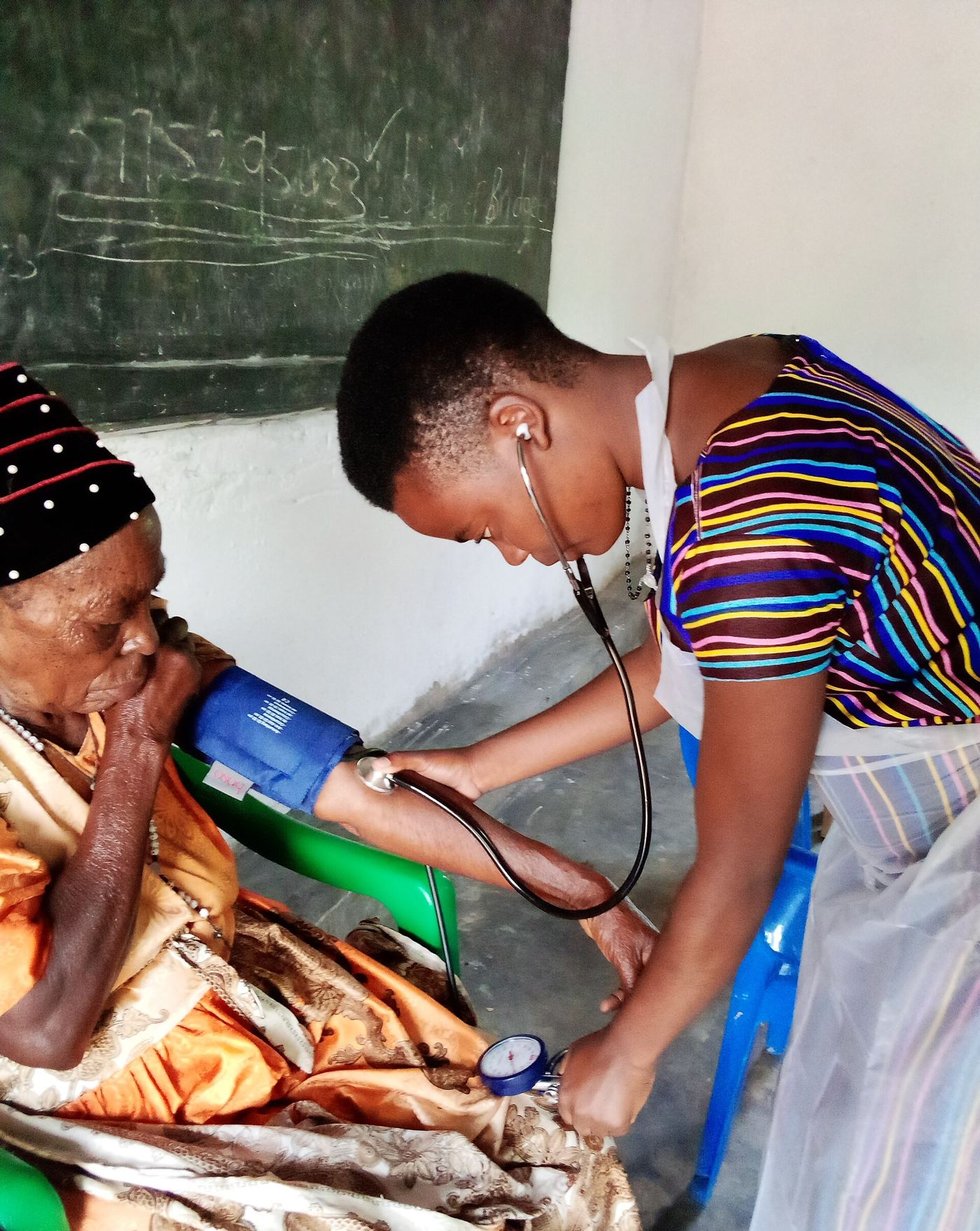
As winter appointments fill up, clinics are reminding adults not to skip a simple check that takes only a few minutes. An annual blood pressure review gives nurses and doctors a clear picture of how the heart and circulation are coping over time, rather than relying on a single hurried reading. Specialists following annual blood pressure reviews say preparation makes a real difference to the quality of the result. Arriving rested, avoiding a rushed journey where possible, and bringing a list of current medicines all help the team interpret the numbers fairly. Many patients also find it useful to note recent sleep, stress and activity patterns, because everyday life can influence a reading on the day. The review is also a chance to talk through family history, smoking, alcohol and activity levels in a calm and unhurried way. None of these conversations are about blame. They are about spotting small changes early, agreeing sensible next steps, and giving people clear information they can act on at home throughout the colder months ahead.
What the Evidence Shows
During the appointment, the nurse will usually take more than one reading and allow time to sit quietly between them. That pause matters, because a first reading taken straight after walking in can look higher than a settled one taken a few minutes later. If the result is raised, the team may suggest home readings over several days before any decisions are made. Specialists following annual blood pressure reviews say this slower approach avoids unnecessary worry and leads to fairer conclusions. Patients are encouraged to ask what each number means, what range the clinic hopes to see, and when they should book again. Simple lifestyle steps, such as regular walking, lower salt meals and steady sleep, are often discussed first. The message from clinics this winter is reassuring and practical. A short review, done properly once a year, helps people understand their own health better and gives professionals the reliable information they need to offer careful, personalised advice. Reporting and analysis from sources such as World Health Organization track the same developments, and specialists following annual blood pressure reviews say the direction is now consistent across independent lines of evidence.
The Wider Context
The wider context is a health system trying to move from treating illness late to preventing it early, against budgets that reward the opposite. Evidence around annual blood pressure reviews is being weighed by guideline committees that ask two questions in order: does it work, and can ordinary services actually deliver it at scale. Many good ideas pass the first test and stall on the second.
What Happens Next
What happens next for annual blood pressure reviews depends on the slow machinery of guidelines, funding and training catching up with the evidence. Patients asking about it today should expect honest answers that include uncertainty, and clinicians say a service that explains what is not yet known earns more trust than one that oversells. The research pipeline, at least, is moving in the right direction. You can follow related developments in our coverage of health.
There is a practical lesson in all of this for readers deciding what to do today. Start with the verified facts, be wary of anyone promising certainty, and prefer reversible steps while the evidence is still developing. Circumstances differ by country, income and personal situation, so general guidance should always be weighed against your own context before you act on it in any significant or lasting way.
