

The smartphone industry is one of the fastest-evolving sectors in the world, where a single product launch can shift global trends, influence billions of users, and reshape entire markets. Over the past decade, several groundbreaking smartphone launches have not only introduced new features but also changed how people communicate, work, and consume digital content.
From bezel-less displays to AI-powered cameras and foldable screens, these innovations have set new standards for competitors. In this article, we explore the most impactful smartphone launches that truly changed the market and defined the future of mobile technology.
Apple iPhone: The Device That Started a Revolution
The launch of the first iPhone by Apple in 2007 is widely considered the most transformative moment in smartphone history. Before the iPhone, mobile phones were primarily used for calling and texting, with limited internet capabilities.
Why It Changed the Market
- Introduced a fully touch-based interface
- Replaced physical keyboards with a multi-touch screen
- Created the modern smartphone app ecosystem
- Redefined mobile internet usage
The iPhone turned smartphones into essential everyday devices rather than luxury gadgets. Its influence is still visible in nearly every modern smartphone design.
Samsung Galaxy Series: The Rise of Android Innovation
After Apple set the foundation, Samsung emerged as a major competitor with its Galaxy smartphone lineup. Samsung played a crucial role in making Android phones mainstream and highly competitive.
Market Impact
- Introduced large AMOLED displays
- Popularized high-resolution smartphone cameras
- Advanced fast charging and battery technology
- Brought customization freedom through Android OS
The Samsung Galaxy series also pushed innovation in display technology, especially with curved screens and ultra-high refresh rates, influencing almost every Android manufacturer.
Google Pixel: Redefining Smartphone Photography
When Google launched the Pixel series, it shifted the focus from hardware-heavy camera systems to AI-driven photography.
Key Innovations
- Computational photography for better low-light images
- HDR+ image processing
- Real-time photo enhancements using AI
- Clean Android experience with fast updates
The Pixel phones proved that software could be just as important as hardware in delivering professional-quality photography, forcing competitors to improve their camera algorithms.
OnePlus: Flagship Experience at Affordable Prices
The launch of OnePlus smartphones disrupted the pricing structure of flagship devices. Instead of expensive premium phones, OnePlus offered high-end specifications at a lower price point.
Why It Stood Out
- “Flagship killer” marketing strategy
- Fast performance with optimized OxygenOS
- Competitive pricing compared to Samsung and Apple
- Strong community-driven development
OnePlus forced the entire industry to reconsider pricing strategies, making premium smartphones more accessible to a wider audience.
Huawei P Series and Mate Series: Camera Powerhouses
Before facing global restrictions, Huawei was one of the most innovative smartphone manufacturers in the world, especially in mobile photography.
Market Influence
- Co-engineered Leica camera systems
- Introduced periscope zoom technology
- Advanced night photography capabilities
- Strong AI-powered camera optimization
Huawei briefly led the smartphone camera race, pushing Apple and Samsung to significantly improve their photography systems.
Xiaomi: Aggressive Pricing and Global Expansion
Xiaomi transformed the market by offering feature-rich smartphones at extremely competitive prices.
Impact on the Industry
- High specs at low cost
- Rapid global expansion into emerging markets
- Strong online-first sales strategy
- Innovation in fast charging and battery tech
Xiaomi proved that premium features didn’t always require premium pricing, especially in developing regions.
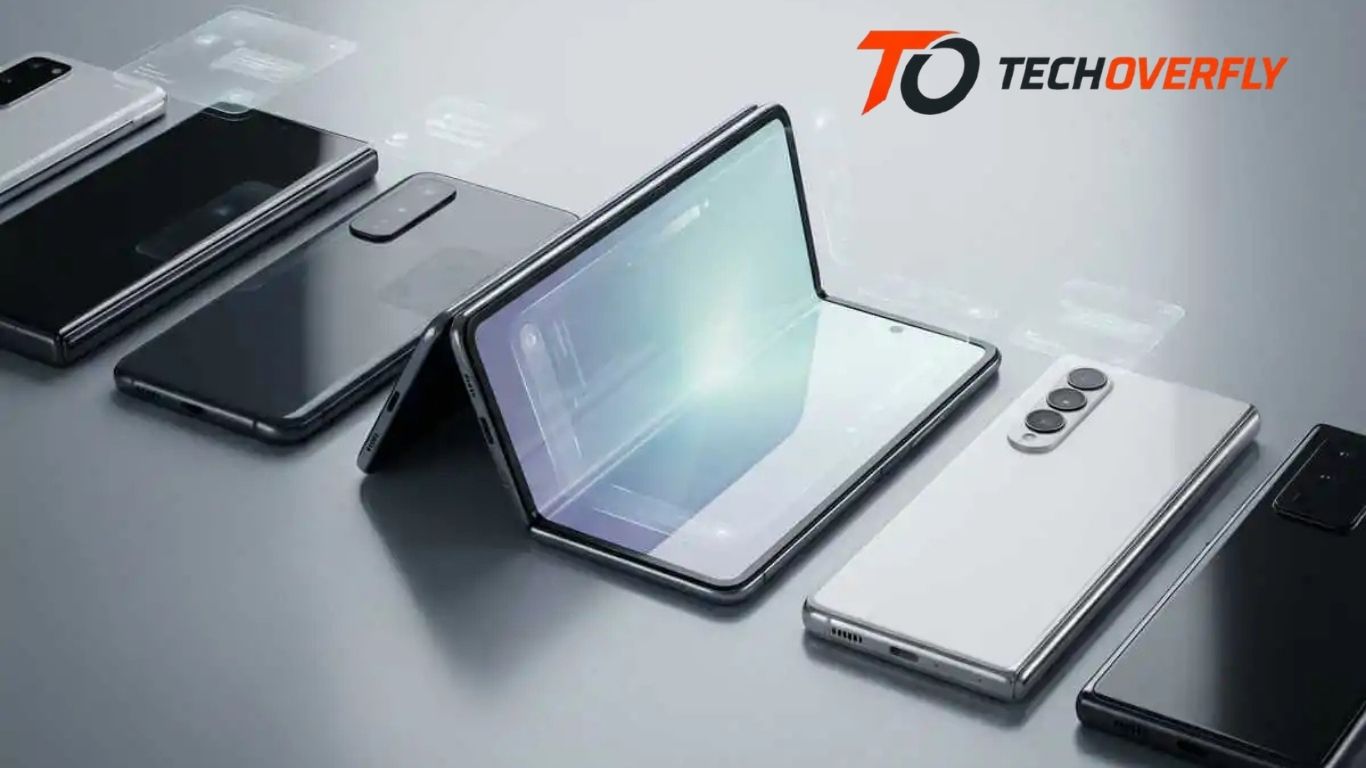
Foldable Smartphones: A New Era of Design Innovation
The introduction of foldable smartphones marked one of the biggest design shifts in modern mobile history. Companies like Samsung and Huawei led this innovation.
Why Foldables Matter
- Transition from rigid screens to flexible displays
- Multi-device experience in a single phone
- Enhanced multitasking capabilities
- Future potential for tablet-phone hybrids
Although still evolving, foldable smartphones represent the next frontier in mobile design and functionality.
5G Smartphone Launches: Speeding Into the Future
The rollout of 5G-enabled smartphones marked another major shift in mobile technology. Nearly every major brand introduced 5G models simultaneously.
Key Benefits
- Ultra-fast internet speeds
- Lower latency for gaming and streaming
- Improved IoT connectivity
- Enhanced cloud-based mobile computing
5G smartphones laid the foundation for future innovations like AR, VR, and real-time cloud processing.
Apple’s iPhone X: The Face ID and Full-Screen Revolution
Another milestone for Apple came with the iPhone X. This device eliminated the home button and introduced Face ID.
Industry Transformation
- Edge-to-edge OLED display
- Facial recognition replacing fingerprint sensors
- Gesture-based navigation system
- Premium design trend across all brands
The iPhone X set a new standard for smartphone design that competitors quickly adopted.
AI-Powered Smartphones: The Future of Mobile Technology
Modern smartphone launches increasingly focus on artificial intelligence. Devices from Apple, Samsung, and Google now integrate AI at the core of their systems.
AI Features Include
- Smart photo editing and enhancement
- Voice assistants like Siri and Google Assistant
- Predictive text and behavior learning
- Real-time language translation
AI integration is now a key factor in smartphone innovation, improving usability and personalization.
How These Smartphone Launches Changed the Market
These revolutionary devices didn’t just introduce new features—they reshaped the entire smartphone ecosystem.
Major Market Changes
- Shift from feature phones to smart ecosystems
- Rise of mobile apps as a global industry
- Increased competition driving rapid innovation
- Lower prices for high-performance devices over time
- Greater focus on user experience and design
Frequently Asked Questions
What are smartphone launches that changed the market?
Smartphone launches that changed the market are major device releases that introduced groundbreaking features like touchscreens, AI cameras, and foldable displays, reshaping how people use mobile phones worldwide.
Which smartphone had the biggest impact on the industry?
The first iPhone by Apple had the biggest impact, as it introduced a full touchscreen interface, app ecosystem, and redefined modern smartphone design.
How did Android smartphones change the market?
Android smartphones, led by companies like Samsung and Google, made smartphones more affordable, customizable, and widely accessible across global markets.
Why are foldable smartphones important?
Foldable smartphones introduced a new design era, allowing users to enjoy both phone and tablet experiences in one device, increasing multitasking and productivity.
How did camera technology improve in smartphones?
Companies like Huawei and Xiaomi improved smartphone cameras with AI processing, zoom technology, and low-light enhancements for professional-quality photography.
Conclusion
New smartphone launches have continuously reshaped the global technology landscape by introducing innovations that redefine how people communicate, work, and interact with digital content. From the first touchscreen revolution by Apple to the rapid growth of Android devices led by Samsung and Google, each major release has pushed the industry toward faster, smarter, and more user-focused technology.
Companies like Huawei and Xiaomi further intensified competition by introducing advanced camera systems, powerful performance, and affordable pricing strategies, making innovation accessible to a global audience.
